धारा  Dhara · consent-native, AI-first clinical intelligence for Indian healthcare

One patient.
One continuous record.

Fragmented across clinics, hospitals, years — the history that should protect you is locked in buildings you've already left. Dhara is a consent-native, AI-first clinical intelligence platform — built on a record the patient owns and carries, not the system.

One continuous record Carried by the patient
2005 · PGI Chandigarh
Kidney transplant
2018 · Cardiology
Aortic valve · follow-up
2022 · Critical care
Emergency — history unknown
2024 · Clinic
Prescription · safety-checked
Today
All of it — in one place
2005 → today · one record, everywhere
01  The memory gap

Healthcare is fragmented. No one made it the patient's.

Each consultation happens in isolation — the record stays with the clinic, the hospital, the system. The patient leaves with nothing portable. Scattered across years and cities, the history that should follow and protect you has never belonged to you. Ownership is the missing layer.

0M
outpatient consultations a year — most leave no portable record
0%
of clinics run a working EMR — the record almost never travels
0cr
people have a digital health ID — most don't know it exists, and the record still doesn't follow them
02  Where Dhara sits

The record is the foundation. Intelligence is the point.

Identity infrastructure exists. What nobody built is the layer that makes a patient's history continuous, consented and owned — then turns it into clinical intelligence at the point of care. That's Dhara.

i
Identity
ABDM — who the patient is. The national digital health identity layer.
Government
ii
Memory · Dhara
The patient-owned record that carries every condition, medication and result — across clinics, hospitals, cities.
Patient-owned
iii
Intelligence · Dhara
Consented, continuous data put to work in the clinic — AI scribing, safety checks and explainable matching — grounded in the record, confirmed by the doctor.
AI-first

First, healthcare has to remember. The record that follows the patient — not the building, not the system — is where it all begins.

03  Products

One platform. Four ways it shows up.

Four products, one patient-owned record — each reads from and writes into the same continuous history.

01
Dharaधारा · Patient-owned record
The longitudinal record the patient owns and carries — built on open health standards, bridged into the national identity layer only on consent. The doctor sees it only with the patient's permission.
Emergency & consent cases →
02
Vaaniवाणी · AI clinical scribe
The doctor speaks — Hindi, English or both — and Vaani writes a timestamp-grounded, doctor-confirmed note on Indian speech infrastructure. Nothing saves until the doctor signs off.
See Vaani in action →
03
Setuसेतु · Transplant coordination
The hardest journey in medicine, in one place — waitlist, explainable matching, swap pairs and the Authorization Committee, with an immutable audit trail.
See the transplant case →
04
Fulfilment · Pharmacy · Pathology
Prescriptions and lab referrals are designed to close the loop — the patient chooses where they're fulfilled, routed from the same record.
See the prescription case →
The live demo

See it perform — not just described.

An interactive, read-only walkthrough of six real use cases: emergency, transplant, prescription, scribe, consent, and the data layer.

Launch the live demo
🔒 access code required · for investors, clinicians & partners
04  Trust by design

Compliance isn't a feature. It's the architecture.

Dhara is built consent-first for where Indian health-data law is heading — enforcement of the DPDP Act begins 13 May 2027.

Patient-owned
The record belongs to the patient, not the building. They carry it, and they decide who sees it.
Consent-native
Access is granular and per-purpose — granted, time-boxed and revocable by the patient, every access logged.
Hosted in India
Patient data stays in-region. No clinical data flows to consumer messaging apps or foreign AI services.
Built for real clinics
Records and prescriptions keep working in low-connectivity settings — designed for how Indian clinics actually run.
DPDP-ready
Built for purpose-specific consent before enforcement lands — not retrofitted after.
Auditable by default
Every access and clinical action leaves a tamper-evident trail — protection for patient and clinician alike.
05  Who's building it

Founders who've lived the problem.
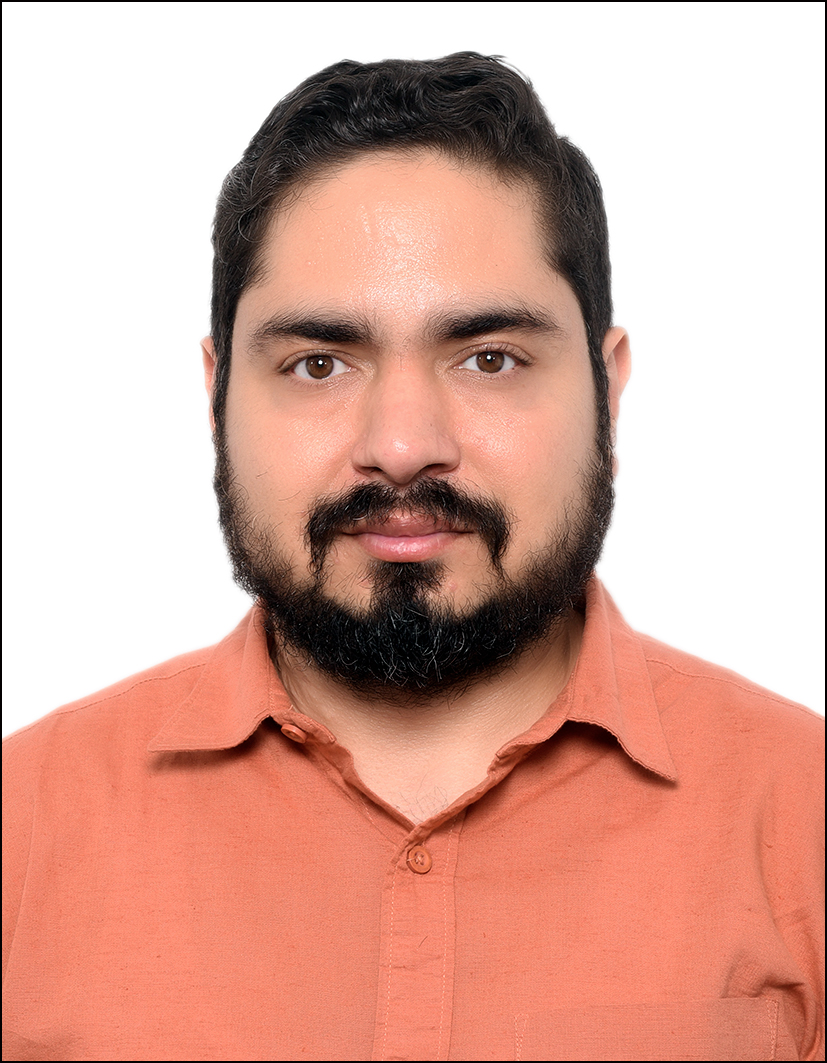
Aditya Kaushal
Aditya Kaushal
Founder & CEO
Two kidney transplants. Twenty years reciting his medical history from memory — across seven hospitals, three countries. Dhara exists so no one else has to.
Raghu Raja Sharma
Raghu Raja Sharma
Co-Founder & CTO
TOGAF enterprise architect — JP Morgan, Cigna, HSBC. Designed Dhara's data architecture on open health standards from first principles.
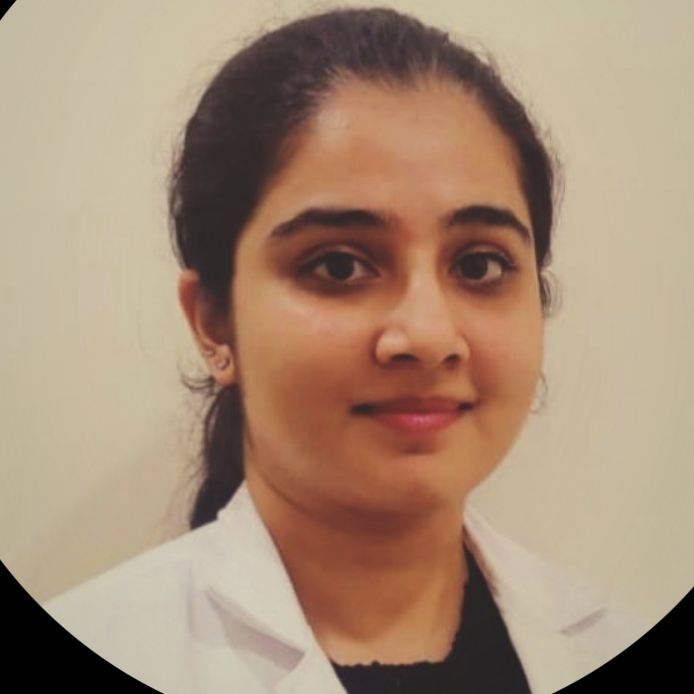
Dr. Komal Sharma
Dr. Komal Sharma
Co-Founder & CCO
MD Dermatology, Medanta fellowship. Shaped every clinical workflow — and Dhara itself — from the doctor's chair.
Advisors
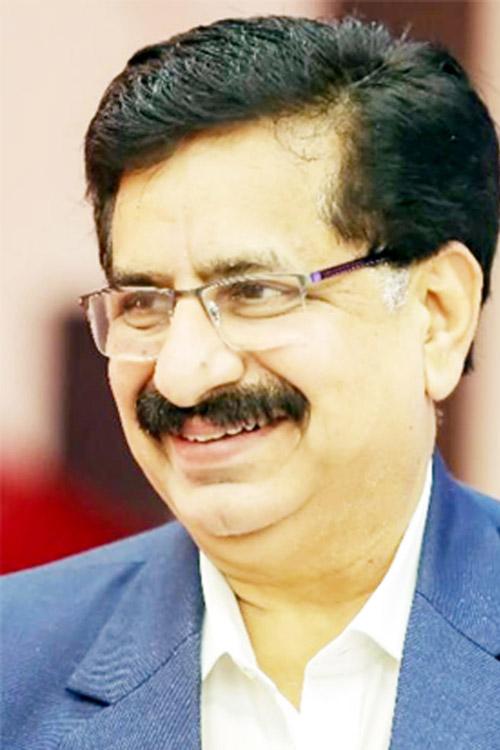
Dr. Vipin Koushal
Dr. Vipin Koushal
Clinical & Institutional Advisor
Former Medical Superintendent of PGIMER Chandigarh — decades running one of India's premier public super-specialty hospitals. He brings the institutional and transplant depth that shaped Setu.
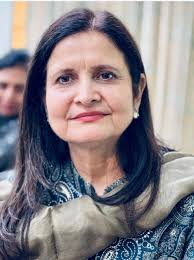
Lotika Khajuria
Lotika Khajuria
Regulatory Advisor
A career as a drug regulator and former Drug Controller of J&K, she keeps Dhara's compliance honest from the inside — having enforced the very rules it is built to respect.
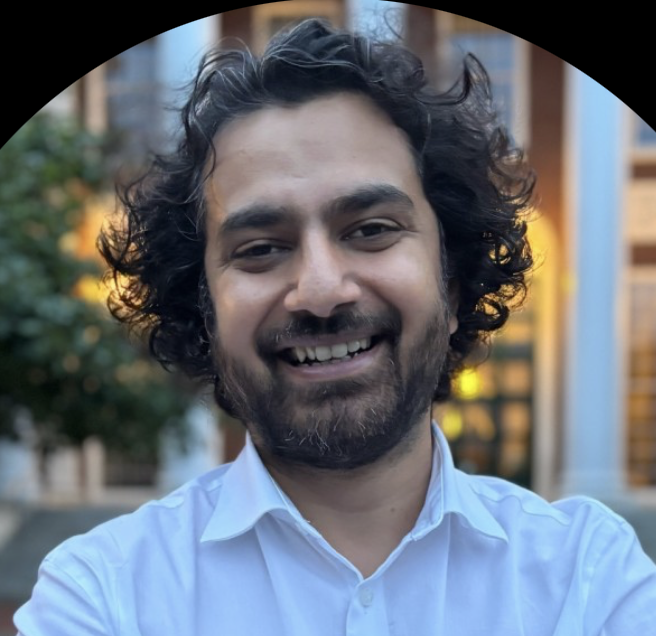
Dr. Madhav Kumar
Dr. Madhav Kumar
Strategic Advisor
Assistant Professor at Harvard Business School, PhD from MIT. He studies how platforms scale — and guides Dhara's design as a network, not just a product.